
How Burnham's Leadership Boosts Built Environment Growth
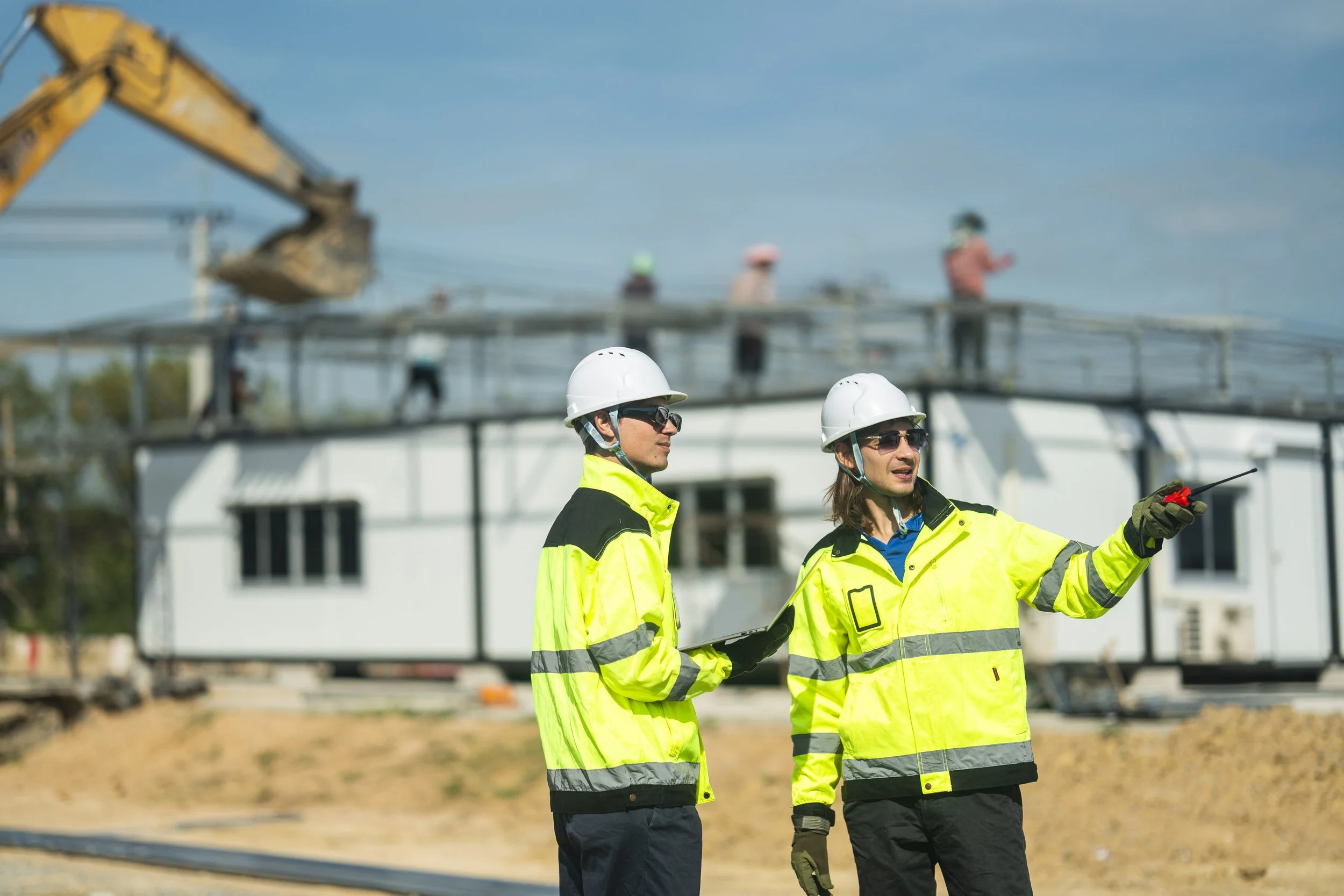
For a decade as Mayor of Greater Manchester, Andy Burnham built a reputation around the idea that growth only counts if it reaches every postcode, not just the ones closest to the city centre. Now, as Prime Minister, he's signalled he wants to run the whole country on the same principle. For businesses in the North – particularly those in housing, construction and regeneration – this is a genuine commercial opening.
Homes as infrastructure, not just housing
One of Burnham's clearest commitments so far is to deliver the biggest council housebuilding programme since the post-war era, working through vacant public land to bring costs down and density up.
Framed this way, homes stop being treated as a standalone social policy issue and start being treated as core economic infrastructure, sitting alongside transport, energy and skills as something government actively invests in and builds around.
That's a meaningful shift for the built environment sector. It suggests sustained pipeline and a genuine seat at the table for developers, contractors and housing associations who can show they understand the 'place-first' brief.
Social value is no longer a tick-box exercise
Burnham has also pledged that public contracts will carry "proper social value weighting," with a stated ambition to give British-based suppliers a fairer shot at winning government work, rather than losing out to the lowest-cost global bidder.
For built environment businesses, particularly SMEs and regional firms who've historically struggled to compete with larger national players on price alone, this is worth paying close attention to. Contracts increasingly won't just be about the lowest number on the tender. They'll be about jobs created, apprenticeships offered, local supply chains used, and communities left better off.
Power is moving to the regions
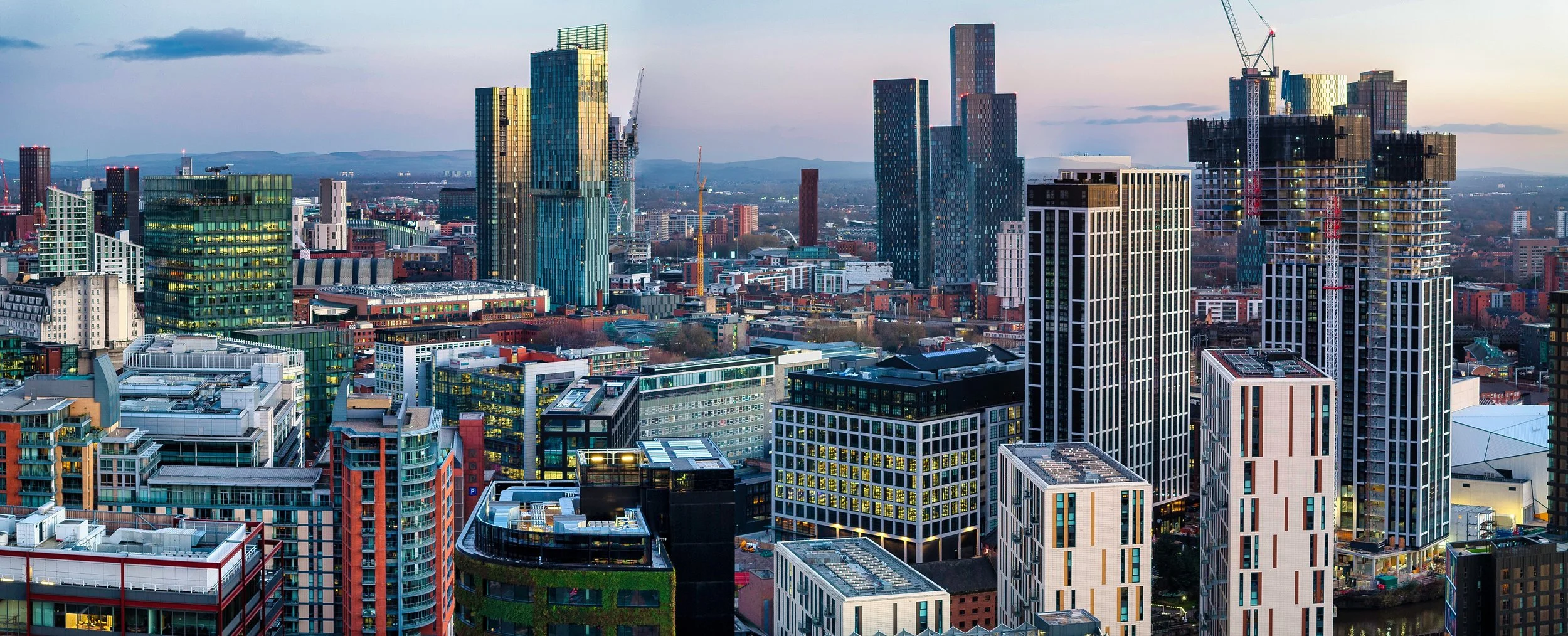
Perhaps the bigger structural story is what this means for combined authorities and metro mayors more broadly. Burnham has spent years arguing that Westminster holds too tight a grip on decisions that are better made locally, and now, as Prime Minister, he can act on that.
Places need the power to shape their own destinies.
Expect combined authorities to continue gaining influence. The government has already announced that, from 2028, mayors will retain a share of the income tax generated in their area, while reforms to technical education are set to give local leaders greater control over skills policy and workforce development.
The Greater Manchester Good Growth Fund is the clearest evidence of what this can look like in practice: a billion-pound-plus revolving investment vehicle, blending public money, pension fund investment and private finance, aimed squarely at regeneration and housing across every borough.
If Burnham exports a version of that model nationally, metro mayors and combined authorities could become some of the most consequential institutions in modern British government, with the built environment sector at the centre of delivering on their ambitions.
The future may be powered by place
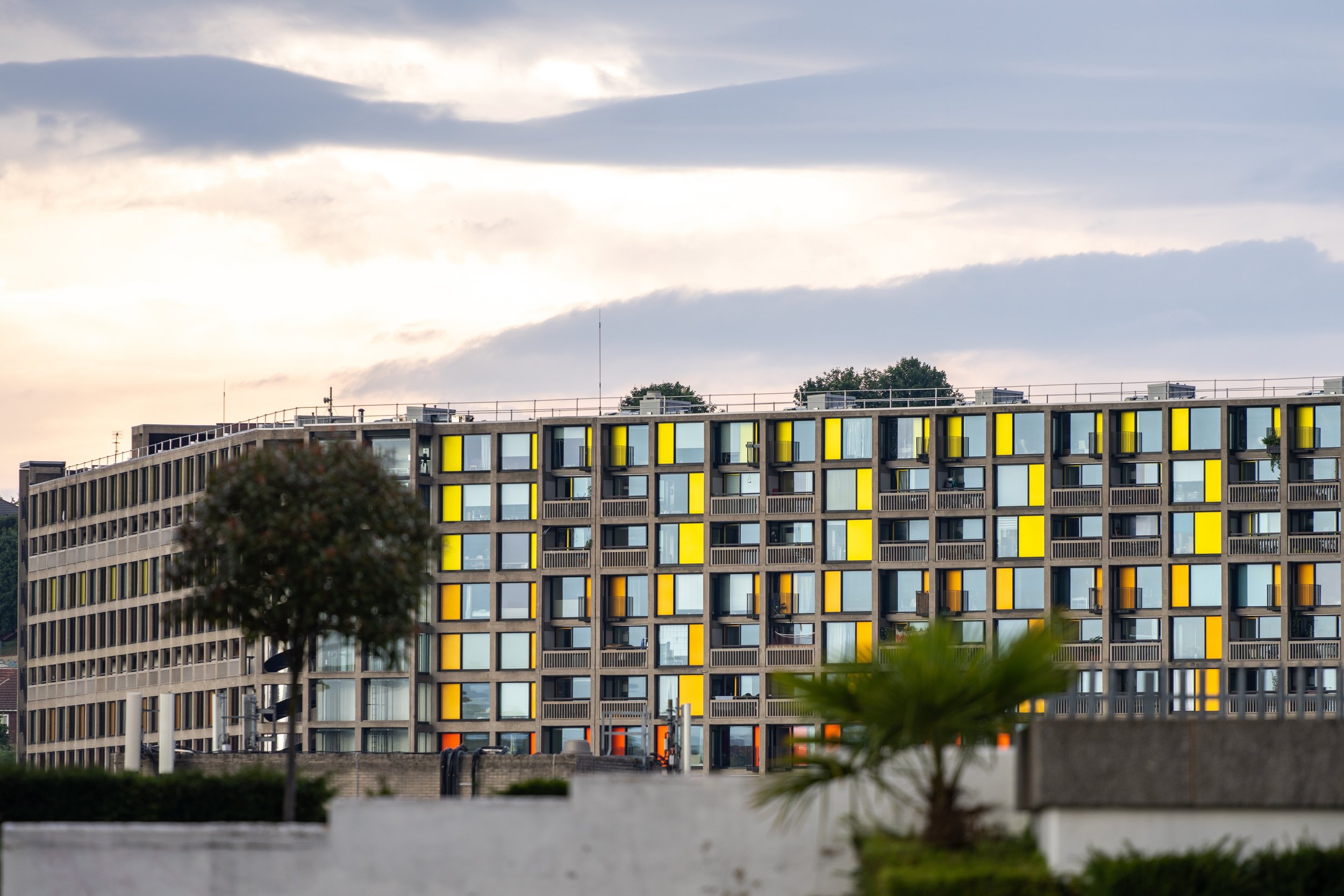
With all of these key themes a pattern emerges, northern businesses in the built environment, are being handed a rare moment where local track record, community relationships and place-based credibility are becoming commercial assets in their own right.
Opportunities like this only convert into contracts and growth if the right people know about it. Combined authorities making high-profile funding decisions will want partners whose reputation and regional credibility precede them. That means businesses need to do more than deliver good work – they need to demonstrate their expertise, showcase their impact, and engage in the conversations shaping the future of their regions.
And in a political environment where place is the story everyone's watching, visibility and influence become competitive advantages in their own right.
If Burnham can translate Greater Manchester's model onto the national stage, the built environment sector will help define what 'good growth' actually looks like in every postcode. The businesses that get ahead of that conversation now stand to gain the most from it. That won't just be about bidding for opportunities when they arise. It will be about building a reputation as a trusted partner in regeneration, housing and place-making long before procurement decisions are made.
Altitude supports organisations across property, regeneration, and the wider built environment sector with strategic PR campaigns that are designed to build visibility, trust, and influence.
Explore our Built Environment PR services to learn more, or get in touch with our team to arrange a complimentary consultation.